Online Learning Portal
Online Learning Portal

Hybrid Classes
We provide offline, online and recorded lectures in the same amount.

Personalised Mentoring
Every aspirant is unique and the mentoring is customised according to the strengths and weaknesses of the aspirant

Topicwise Mindmaps
In every Lecture. Director Sir will provide conceptual understanding with around 800 Mindmaps.

Quality Content
We provide you the best and Comprehensive content which comes directly or indirectly in UPSC Exam.

DAILY NEWS ANALYSIS
 PRINT
PRINT
16 June, 2021
10 Min Read
Annual Sessions of Indian National Congress
Allan Octavian Hume, Dadabhai Naoroji and Dinshaw Edulji Wacha founded Indian National Congress on 28 December 1885
|
Year |
Place |
President |
Details |
|
1885 |
Bombay |
W C Bonnerjee |
1st session attended by 72 delegates |
|
1886 |
Calcutta |
Dadabhai Naoroji |
National Congress and National Conference |
|
1887 |
Madras |
Syed Badruddin Tyabji |
Appeal made to Muslims to join hands with other national leaders |
|
1888 |
Allahabad |
George Yule |
First English president |
|
1889 |
Bombay |
Sir William Wedderburn |
– |
|
1890 |
Calcutta |
Feroz Shah Mehta |
– |
|
1891 |
Nagpur |
P. Ananda Charlu |
– |
|
1892 |
Allahabad |
W C Bonnerjee |
– |
|
1893 |
Lahore |
Dadabhai Naoroji |
– |
|
1894 |
Madras |
Alfred Webb |
– |
|
1895 |
Poona |
Surendranath Banerjee |
– |
|
1896 |
Calcutta |
Rahimtullah M. Sayani |
National song ‘Vande Mataram’ sung for the first time |
|
1897 |
Amravati |
C. Sankaran Nair |
– |
|
1898 |
Madras |
Ananda Mohan Bose |
– |
|
1899 |
Lucknow |
Romesh Chandra Dutt |
– |
|
1900 |
Lahore |
N G Chandavarkar |
– |
|
1901 |
Calcutta |
Dinshaw E. Wacha |
– |
|
1902 |
Ahmedabad |
Surendranath Banerjee |
– |
|
1903 |
Madras |
Lal Mohan Ghosh |
– |
|
1904 |
Bombay |
Sir Henry Cotton |
– |
|
1905 |
Benares |
Gopal Krishna Gokhale |
Expressed resentment against the partition of Bengal |
|
1906 |
Calcutta |
Dadabhai Naoroji |
The word ‘Swaraj’ was mentioned for the first time |
|
1907 |
Surat |
Rash Behari Ghosh |
Party splits into extremists and moderates |
|
1908 |
Madras |
Rash Behari Ghosh |
Previous session continued |
|
1909 |
Lahore |
Madan Mohan Malaviya |
Indian Councils Act, 1909 |
|
1910 |
Allahabad |
Sir William Wedderburn |
– |
|
1911 |
Calcutta |
Bishan Narayan Dhar |
‘Jana Gana Mana’ sung for the first time |
|
1912 |
Bankipore (Patna) |
Raghunath Narasinha Mudholkar |
– |
|
1913 |
Karachi |
Syed Mohammed |
– |
|
1914 |
Madras |
Bhupendra Nath Basu |
– |
|
1915 |
Bombay |
Satyendra Prasanna Sinha |
– |
|
1916 |
Lucknow |
Ambica Charan Mazumdar |
Lucknow Pact – joint session with the Muslim League |
|
1917 |
Calcutta |
Annie Besant |
First woman president of the INC |
|
1918 |
Bombay And Delhi |
Syed Hasan Imam (Bombay) And Madan Mohan Malaviya (Delhi) |
Two sessions were held. First in Bombay in August/September Second in Delhi in December |
|
1919 |
Amritsar |
Motilal Nehru |
Jallianwala Bagh massacre strongly condemned |
|
1920 |
Nagpur |
C Vijayaraghavachariar |
– |
|
1921 |
Ahmedabad |
Hakim Ajmal Khan (acting President For C R Das) |
– |
|
1922 |
Gaya |
C R Das |
– |
|
1923 |
Kakinada |
Maulana Mohammad Ali, |
– |
|
1924 |
Belgaum |
M K Gandhi |
– |
|
1925 |
Kanpur |
Sarojini Naidu |
First Indian woman president |
|
1926 |
Guwahati |
S Srinivasa Iyengar |
– |
|
1927 |
Madras |
M A Ansari |
– |
|
1928 |
Calcutta |
Motilal Nehru |
All India Youth Congress formed |
|
1929 |
Lahore |
Jawaharlal Nehru |
Resolution for ‘Poorna Swaraj.’ Civil Disobedience movement for complete independence to be launched, 26 January to be observed as ‘Independence Day’. |
|
1930 |
No Session |
– |
– |
|
1931 |
Karachi |
Vallabhbhai Patel |
Resolution on fundamental rights and national economic progress. Gandhi-Irwin pact endorsed. Gandhi nominated to represent INC in the second round table conference |
|
1932 |
Delhi |
Amrit Ranchhorddas Seth |
– |
|
1933 |
Calcutta |
Malaviya Was Elected But Mrs Nellie Sengupta Presided |
– |
|
1934 |
Bombay |
Rajendra Prasad |
– |
|
1936 |
Lucknow |
Jawaharlal Nehru |
– |
|
1936 |
Faizpur |
Jawaharlal Nehru |
First rural session/first session to be held in a village |
|
1938 |
Haripura |
Subhas Chandra Bose |
National planning committee set up under Nehru |
|
1939 |
Tripuri |
Subhas Chandra Bose |
Bose was elected but had to resign., Rajendra Prasad was appointed after him to the president post. |
|
1940 |
Ramgarh |
Abul Kalam Azad |
– |
|
1941-45 |
– |
– |
No session because of arrest |
|
1946 |
Meerut |
Acharya Kripalani |
Last session before independence |
|
1948 |
Jaipur |
Pattabhi Sitaramayya |
First session after independence |
|
1950 |
Nashik |
Purushottam Das Tandon |
Resigned in 1951; Nehru became President |
|
1951 |
Delhi |
Jawaharlal Nehru |
– |
|
1953 |
Hyderabad |
Jawaharlal Nehru |
– |
|
1954 |
Kalyani |
Jawaharlal Nehru |
– |
|
1955 |
Avadi(madras) |
U. N. Dhebar |
– |
|
1956 |
Amritsar |
U. N. Dhebar |
– |
|
1958 |
Gauhati |
U. N. Dhebar |
– |
|
1959 |
Nagpur |
Indira Gandhi |
– |
|
1960 |
Bangalore |
Neelam Sanjeeva Reddy |
– |
|
1961 |
Bhavnagar |
Neelam Sanjeeva Reddy |
– |
|
1962 |
Bhubaneshwar |
Damodaran Sanjvayya |
– |
|
1963 |
Patna |
Damodaran Sanjvayya |
– |
|
1964 |
Bhubaneshwar |
K. Kamaraj |
– |
|
1965 |
Durgapur |
K. Kamaraj |
– |
Source: Spectrum Modern India
 18 Mar, 26
The Supreme Court of India recently gave a final three-week deadline to the Telangana Assembly Speaker to decide pending disqualification petitions against defecting MLAs under the Anti-Defection Law. What is the Anti-Defection Law? The Anti-Defection Law was introduced through the 52nd Amendment (1985), which added the Tenth Schedule to the
 18 Mar, 26
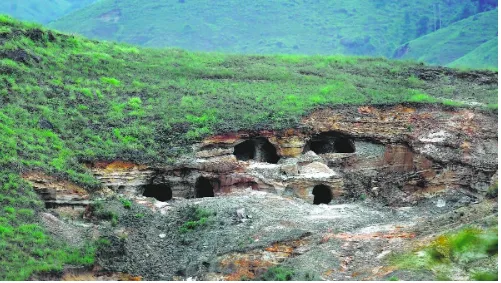
A major disaster unfolded in East Jaintia Hills, Meghalaya, when at least 18 workers died following an explosion in an illegally operating rat-hole coal mine. This incident highlights the continued prevalence of rat-hole mining despite bans imposed by the National Green Tribunal (NGT) and the Supreme Court of India. Rat-hole mining is driven
 17 Mar, 26
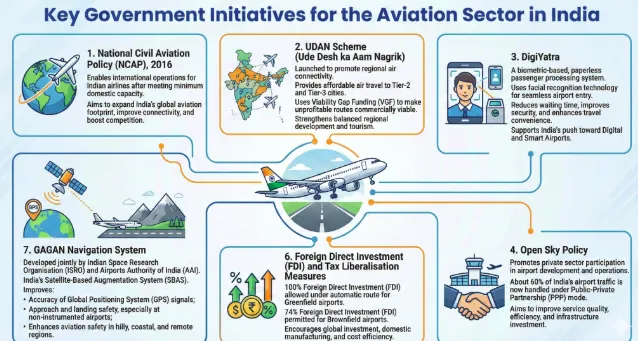
India’s aviation sector has grown rapidly, becoming a major economic success story. However, regulatory oversight has not evolved at the same pace. Data-driven monitoring of fares and market behavior is essential to ensure fair competition, prevent market abuse, and shift from reactive crisis management to proactive regulation. Challen
 14 Mar, 26
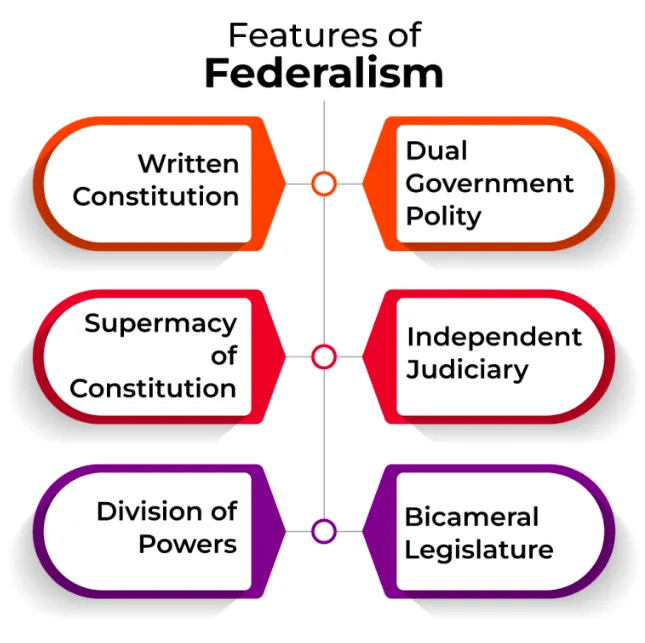
Recently, a high-level committee on Union–State relations submitted its first report to the Government of Tamil Nadu. The report examines the distribution of powers and responsibilities between the Union and the States, highlighting ongoing debates regarding the balance between central authority and state autonomy. This discussion is clos
 14 Mar, 26
The relationship between India and the United Arab Emirates has evolved from a traditional energy-based partnership into a comprehensive economic and strategic relationship. Over the years, strong political trust, growing trade, and expanding investments have transformed bilateral ties into a diversified economic corridor. The economic partnership
 22 Mar,2026










Our Popular Courses
Module wise Prelims Batches
Mains Batches
Test Series

 24 × 7 Support :
8287714422
24 × 7 Support :
8287714422 Whatsapp :
8010068998
Whatsapp :
8010068998 Email Us: query@aspireias.com


 My Notes
 Geography And Environment


