×

UPSC Courses

DNA banner

DAILY NEWS ANALYSIS

  • 24 January, 2021

  • 17 Min Read

Nasal SARS-CoV-2 vaccine

Nasal SARS-CoV-2 vaccine

What is a nasal vaccine?

  • An intranasal vaccine does exactly what it says it does — deliver a vaccine through a spritz through the nostrils.
  • The advantages of this method of vaccine delivery over the injection and oral forms are quite apparent.
  • The method comes with the guarantee of better compliance and the advantage of lower costs.
  • But only clinical trials can determine whether such a vaccine with an easy delivery mechanism can be efficacious too.

Recently, the Central Drugs Standard Control Organisation recommended granting permission for phase 1 human clinical trials for Bharat Biotech’s nasal COVID-19 vaccine, BBV154.

The Central Drugs Standard Control Organisation (CDSCO)

  1. CDSCO under Directorate General of Health Services, Ministry of Health and Family Welfare is the National Regulatory Authority (NRA) of India.
  2. Functions: Under the Drugs and Cosmetics Act, CDSCO is responsible for
    1. Approval of New Drugs,
    2. Conduct of Clinical Trials,
    3. Laying down the standards for Drugs,
    4. Control over the quality of imported Drugs in the country and
    5. Coordination of the activities of State Drug Control Organizations by providing expert advice.
  3. CDSCO along with state regulators, is jointly responsible for grant of licenses of certain specialized categories of critical Drugs such as blood and blood products, I. V. Fluids, Vaccine and Sera.

  • On its website, Bharat Biotech said “the nasal route has excellent potential for vaccination due to the organised immune systems of the nasal mucosa”. Effectively, intranasal candidates have shown good potential for protection in animal studies conducted thus far.
  • In August 2020, scientists at Washington University School of Medicine said they had developed a nasal vaccine that targets the SARS-CoV-2 virus.
  • Science Daily reported the study published in Cell, a journal, specifying that the vaccine could be given in one dose via the nose and was effective in preventing infection in mice susceptible to the novel coronavirus.
  • The investigators then revealed their plan to test the vaccine further on non-human primates and humans.
  • “We were happily surprised to see a strong immune response in the cells of the inner lining of the nose and upper airway — and profound protection from infection with this virus,” said senior author Michael S. Diamond, Herbert S. Gasser Professor of Medicine.
  • “These mice were well protected from disease. And in some of the mice, we saw evidence of sterilising immunity, where there is no sign of infection whatsoever after the mouse is challenged with the virus.”

Is the vaccine suitable for COVID-19?

  • The Washington University study, while doing a comparison, found that while a COVID-19 vaccine injection (at that stage) induced an immune response that prevented pneumonia, it did not prevent infection in the nose and lungs. Such a vaccine might reduce the severity of COVID-19, but it could not prevent infected individuals from spreading the virus, said the study.
  • A study published inScience Direct in December 2020 showed the pre-clinical efficacy of a lentiviral vector, delivered nasally, as a COVID-19 vaccine. The authors said targeting the immune response to the upper respiratory tract provides critical protection, and intranasal vaccination induces protective mucosal immunity against the SARS-CoV-2 in rodents. Given that the SARS-CoV-2 virus shows a proclivity to dwell in the upper respiratory tract for a prolonged period of time, a safe and efficacious nasal vaccine is well-placed to target the literal entry point of the virus into the body.
  • Earlier this month, researchers at Lancaster University working with the Biomedical Research Institute in Texas claimed they had administered two doses of a COVID-19 vaccine via a nasal spray in animals, and this had elicited robust antibodies and T-cell responses that were enough to be able to neutralise SARS-CoV-2.

Are there other such nasal vaccines?

  • So far, intranasal vaccination is being used only for influenza. However, it cannot be used on certain groups of people, particularly those who have compromised immune systems.
  • Science Daily reports that “the new COVID-19 intranasal vaccine in the Washington University study does not use a live virus capable of replication, presumably making it safer”. The Bharat Biotech vaccine also rides on an adenovirus vector.

Source: TH


Formation Day

On 1st November, eight Indian states—Andhra Pradesh, Chhattisgarh, Haryana, Karnataka, Kerala, Madhya Pradesh, Punjab, and Tamil Nadu—along with five Union Territories—Andaman and Nicobar Islands, Chandigarh, Delhi, Lakshadweep, and Puducherry—celebrate their Formation Day. This date marks an important milestone in India
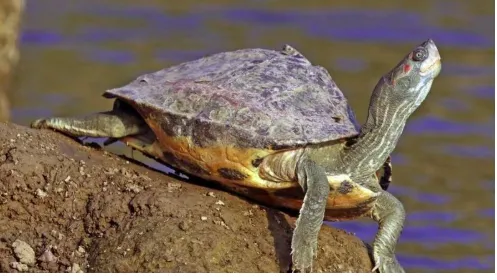
Turtle (Kachhua) Wildlife Sanctuary

The Turtle Wildlife Sanctuary, also known as the Kachhua Sanctuary, is located in the Varanasi district of Uttar Pradesh. It is recognised as India’s first freshwater turtle wildlife sanctuary, established to conserve endangered turtle species and support the ecological health of the Ganga River. Location and Extent The sanctuary co

Introduction of AI and Computational Thinking (CT) in

The Ministry of Education plans to introduce Artificial Intelligence (AI) and Computational Thinking (CT) from Class 3 onwards in the 2026–27 academic year. This initiative is part of the National Curriculum Framework for School Education (NCF-SE) 2023 and aligns with the National Education Policy (NEP) 2020. The aim is to prepare student
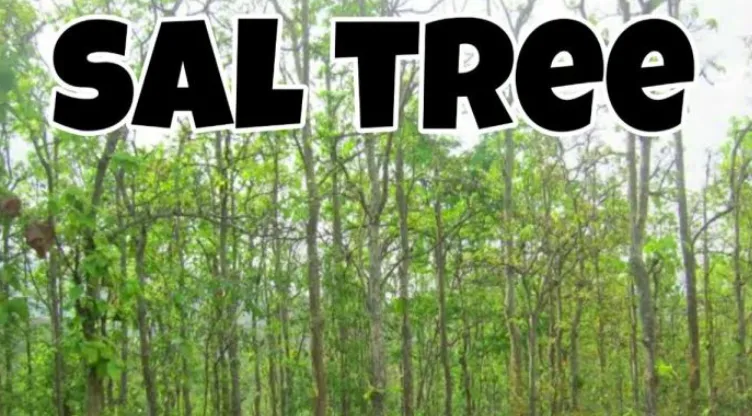
Sal Tree

Scientists from the Environment Department of Himachal Pradesh University (HPU) in Shimla have recently revealed that the Sal tree (Shorea robusta) is the most effective natural air purifier for combating rising pollution levels. Their findings highlight the tree’s superior capacity to trap dust, absorb gases, and cleanse the air compared

US Resumes Nuclear Weapon Testing

The President of the United States has ordered the resumption of nuclear weapon testing after a gap of 33 years, the last test being in 1992. This decision marks a significant shift in global nuclear policy and has far-reaching implications for geopolitics, the environment, and international security. Status of Global Nuclear Weapon Testing

DNA

03 Dec,2025

Toppers

Search By Date

Newsletter Subscription
SMS Alerts

Important Links

UPSC GS Mains Crash Course - RAW Prelims Answer Key 2024